Sermorelin is a synthetic 29-amino acid peptide representing the biologically active N-terminal fragment of human growth hormone-releasing hormone (GHRH 1-29). Composed of the first 29 amino acids of native human GHRH, Sermorelin has been the subject of extensive cellular and biochemical research literature examining GHRH receptor biology, pituitary cellular signaling, and peptide structure-activity relationships.
Product Specifications
- Compound: Sermorelin (GHRH 1-29)
- Class: Synthetic GHRH analog, 29 amino acids
- Origin: Active N-terminal fragment of human GHRH
- Molecular Weight: ~3358 Da
- Form: Lyophilized powder
- Vial Size: 10mg in 3mL glass vial
Research Background
Sermorelin has been investigated in research literature across several scientific contexts:
- GHRH receptor pharmacology — investigations into receptor binding kinetics, signal transduction, and cellular response mechanisms in pituitary cell models
- GHRH structure-activity relationships — comparative research on the GHRH 1-29 fragment versus full-length GHRH (1-44), examining which structural elements drive receptor binding
- Pituitary cellular biology — studies examining anterior pituitary cell responsiveness to native and synthetic GHRH peptides
- Peptide truncation research — analytical studies on minimal active sequences in GHRH biology
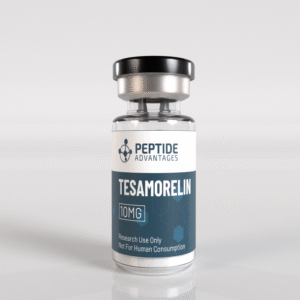
- Comparative GHRH analog research — studies positioning Sermorelin alongside other modified GHRH analogs (such as Tesamorelin) in cellular research contexts
Sermorelin is historically significant in peptide research as one of the earliest characterized GHRH analogs, originally identified through fragment analysis of native human GHRH. Foundational research is available through PubMed (pubmed.ncbi.nlm.nih.gov) and the National Institutes of Health’s PMC database (pmc.ncbi.nlm.nih.gov), where researchers can access peer-reviewed studies on GHRH biology and Sermorelin specifically.
Storage
Storage Instructions:
Store the lyophilized reference standard at minus 20 degrees Celsius, protected from light and moisture. Once placed in solution with a laboratory solvent, hold the solution at 2 to 8 degrees Celsius and use it within 30 days. Solvent selection and handling are the responsibility of the receiving laboratory..
Related products