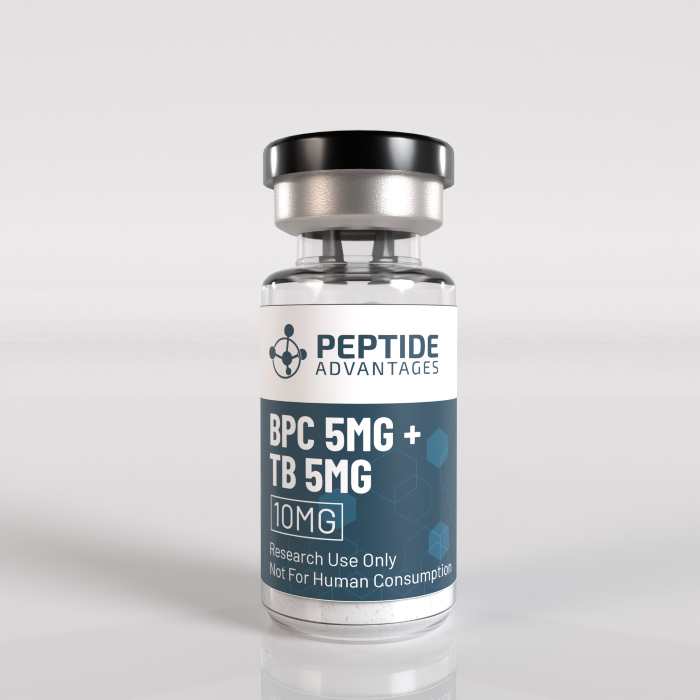
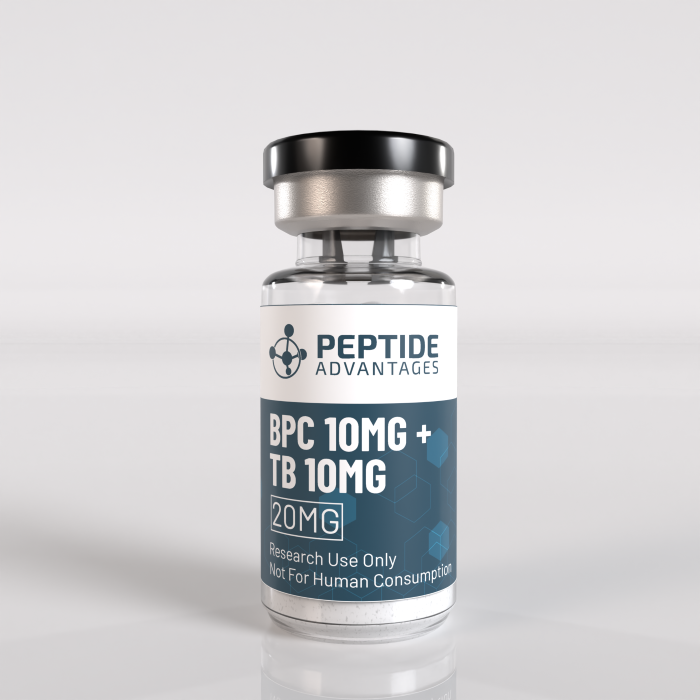
BPC157/ TB500 Blend (Wolverine)
Price range: $ 60 through $ 105
BPC-157 / TB-500 Blend 10/10mg
A research peptide blend combining two of the most extensively studied peptides in cellular and tissue research literature. Each vial contains 10mg BPC-157 and 10mg TB-500 (20mg total) in lyophilized form, manufactured in cGMP-compliant U.S. facilities and verified through Mile High Compounds’ three-tier quality protocol: 7x independent third-party analytical testing, 4-vial batch conformity verification, and comprehensive heavy metal screening.
Product Specifications
- Composition: 10mg BPC-157 + 10mg TB-500 (20mg total)
- Form: Lyophilized powder
- Vial Size: 20mg total in 3mL glass vial
About the Compounds
BPC-157 (Body Protection Compound-157) is a synthetic pentadecapeptide composed of 15 amino acids, derived from a partial sequence of body protection compound originally isolated from human gastric juice. BPC-157 has been extensively studied in cellular research literature examining tissue research pathways, angiogenic signaling, nitric oxide pathway interactions, and cellular biology applications.
TB-500 (Thymosin Beta-4 fragment) is a synthetic 17-amino acid peptide fragment representing the active actin-binding region of Thymosin Beta-4, a naturally occurring protein found in nearly all human and animal cells. TB-500 has been studied in research literature examining actin cytoskeletal dynamics, cellular migration, angiogenesis pathways, and inflammation cellular response research.
Research Background
This blend is supplied for laboratories conducting comparative cellular research involving both BPC-157 and TB-500. The combined formulation allows researchers to study both compounds within a single sample preparation, streamlining laboratory workflows for parallel peptide research applications.
Foundational research on both compounds is available through PubMed (pubmed.ncbi.nlm.nih.gov) and the National Institutes of Health’s PMC database (pmc.ncbi.nlm.nih.gov), where researchers can access peer-reviewed literature including:
- Foundational research on BPC-157 cellular biology by Sikiric et al. at the University of Zagreb
- Foundational research on Thymosin Beta-4 and its derivative peptides by Goldstein et al.
- Comparative peptide research on cellular signaling and actin-binding mechanisms
Storage
Storage Instructions:
Store the lyophilized reference standard at minus 20 degrees Celsius, protected from light and moisture. Once placed in solution with a laboratory solvent, hold the solution at 2 to 8 degrees Celsius and use it within 30 days. Solvent selection and handling are the responsibility of the receiving laboratory.
COA / HPLC / MS
Related products


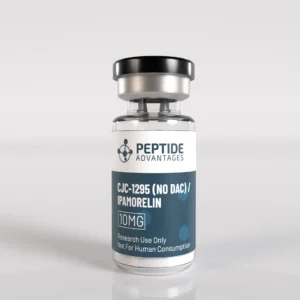
CJC1295 (without DAC) + Ipamorelin (peptide blend)
Original price was: $ 175.$ 129Current price is: $ 129.