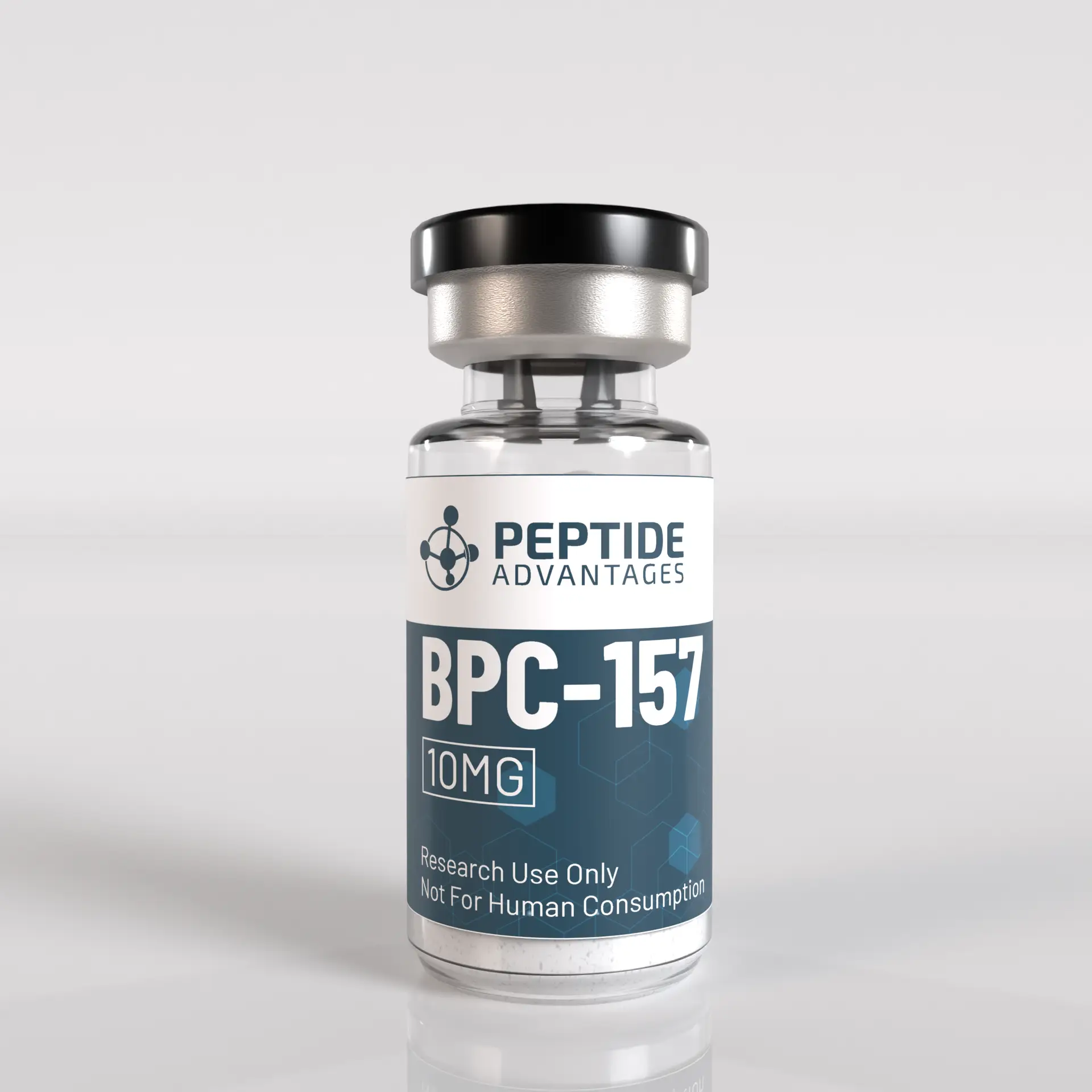
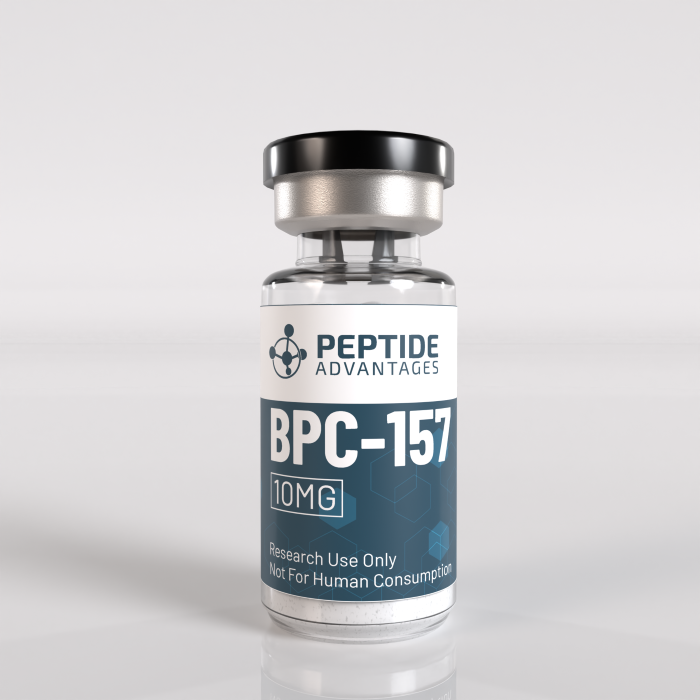

BPC 157
Price range: $ 55 through $ 90
BPC-157 (Body Protection Compound-157) is a synthetic 15-amino acid pentadecapeptide corresponding to a partial sequence of a protein identified in gastric juice. It is a frequent subject of laboratory research and is supplied as a lyophilized powder for research use only.
In published in vitro and preclinical research, BPC-157 has been studied in connection with fibroblast migration, nitric oxide (NO) pathway modulation, and VEGF-related signaling. These studies are conducted in cell-culture and animal research models. The findings derive from laboratory research and do not describe or imply any effect, benefit, or use in humans or animals.
Published literature has examined BPC-157 across a range of cell-culture and animal research models relating to cell-migration and angiogenesis-related signaling biology. These reports reflect controlled laboratory Its mechanism is studied alongside related research compounds such as TB-500.
For further reading, see published research on BPC-157 on PubMed.
Product Specifications
| CAS Number | 137525-51-0 |
| PubChem CID | 9941957 |
| Molecular Formula | C₆₂H₉₈N₁₆O₂₂ |
| Molecular Weight | ~1,419.6 g/mol |
| Amino Acid Count | 15 |
| Sequence | GEPPPGKPADDAGLV |
| Synonyms | Body Protection Compound-157, PL 14736, Bepecin |
| Physical Form | Lyophilized powder |
| Storage Conditions | Store at −20°C; protect from light and moisture |
For Research Use Only.
Storage
Storage Instructions:
Store the lyophilized reference standard at minus 20 degrees Celsius, protected from light and moisture. Once placed in solution with a laboratory solvent, hold the solution at 2 to 8 degrees Celsius and use it within 30 days. Solvent selection and handling are the responsibility of the receiving laboratory