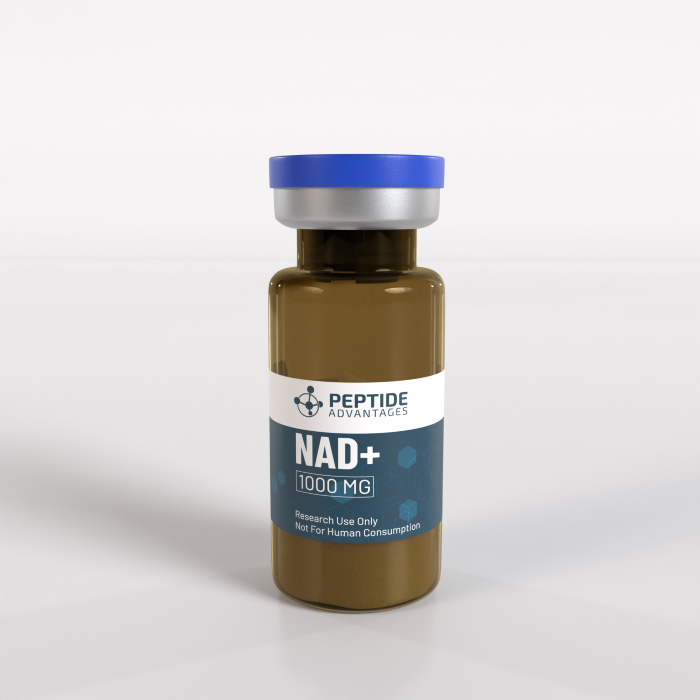
NAD+ (Nicotinamide Adenine Dinucleotide)

Price range: $ 125 through $ 225

Description

What Is NAD+

NAD+, short for nicotinamide adenine dinucleotide, is the oxidized form of NADH. It’s main biological function is to carry electrons from one biochemical reaction to another, acting to shuttle energy within a cell and, in certain conditions, to extracellular locations as well. NAD+ also plays roles in enzyme activation/deactivation, posttranslational modification of proteins, and cell-to-cell communication. As an extracellular signaling molecule, NAD+ has been found to be released from neurons in blood vessels, the bladder, the large intestine, and from certain neurons in the brain.

Sequence: N/A
Molecular Formula: C21H27N7014P2
Molecular Weight: 663.43 g/mol
PubChem CID:925
CAS Number: 53-84-9
Synonyms: nicotinamide adenine dinucleotide, beta-NAD, NAD, Endopride
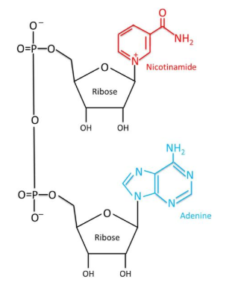
NAD+ (Nicotinamide Adenine Dinucleotide) is a coenzyme found in every living cell, vital for energy production and overall cellular function. It plays a crucial role in several metabolic pathways, including the Krebs cycle and oxidative phosphorylation, which are essential for converting nutrients into ATP, the energy currency of cells.

As we age, NAD+ levels in the body decline, leading to reduced cellular efficiency and increased susceptibility to age-related diseases. Supplementing with NAD+ peptides can help restore these levels, offering several potential health benefits.

Key Benefits of NAD+ Peptide:

• Enhanced Cellular Energy: Boosts ATP production, improving overall energy levels and reducing fatigue.

• DNA Repair: Supports the repair of damaged DNA, helping to maintain genomic stability and reduce the risk of mutations.

• Neuroprotection: May protect neurons from degeneration, potentially aiding in the prevention of neurodegenerative diseases like Alzheimer’s and Parkinson’s.

• Anti-Aging Effects: Promotes cellular health and longevity, potentially slowing down the aging process.

• Metabolic Regulation: Enhances metabolic function, contributing to weight management and improved glucose metabolism.

Overall, NAD+ peptides offer a promising approach to boosting cellular health and combating the effects of aging.

Storage Instructions:

All of our products are manufactured using the Lyophilization (Freeze Drying) process, which ensures that our products remain 100% stable for shipping for up to 3-4 months.
Once the peptides are reconstituted (mixed with bacteriostatic water), they must be stored in the fridge to maintain stability. After reconstitution, the peptides will remain stable for up to 30 days.

Lyophilization is a unique dehydration process, also known as cryodesiccation, where the peptides are frozen and then subjected to low pressure. This causes the water in the peptide vial to sublimate directly from solid to gas, leaving behind a stable, crystalline white structure known as lyophilized peptide. The puffy white powder can be stored at room temperature until you’re ready to reconstitute it with bacteriostatic water.

Once peptides have been received, it is imperative that they are kept cold and away from light. If the peptides will be used immediately, or in the next several days, weeks or months, short-term refrigeration under 4C (39F) is generally acceptable. Lyophilized peptides are usually stable at room temperatures for several weeks or more, so if they will be utilized within weeks or months such storage is typically adequate.

However, for longer term storage (several months to years) it is more preferable to store peptides in a freezer at -80C (-112F). When storing peptides for months or even years, freezing is optimal in order to preserve the peptide’s stability.

COA / HPLC / MS

COA / HPLC / MS

COA / HPLC / MS

3RD PARTY TESTING

3RD PARTY TESTING

3RD PARTY TESTING

Storage

Storage

Storage Instructions:

All of our products are manufactured using the Lyophilization (Freeze Drying) process, which ensures that our products remain 100% stable for shipping for up to 3-4 months.
Once the peptides are reconstituted (mixed with bacteriostatic water), they must be stored in the fridge to maintain stability. After reconstitution, the peptides will remain stable for up to 30 days.

Lyophilization is a unique dehydration process, also known as cryodesiccation, where the peptides are frozen and then subjected to low pressure. This causes the water in the peptide vial to sublimate directly from solid to gas, leaving behind a stable, crystalline white structure known as lyophilized peptide. The puffy white powder can be stored at room temperature until you’re ready to reconstitute it with bacteriostatic water.

Once peptides have been received, it is imperative that they are kept cold and away from light. If the peptides will be used immediately, or in the next several days, weeks or months, short-term refrigeration under 4C (39F) is generally acceptable. Lyophilized peptides are usually stable at room temperatures for several weeks or more, so if they will be utilized within weeks or months such storage is typically adequate.

However, for longer term storage (several months to years) it is more preferable to store peptides in a freezer at -80C (-112F). When storing peptides for months or even years, freezing is optimal in order to preserve the peptide’s stability.