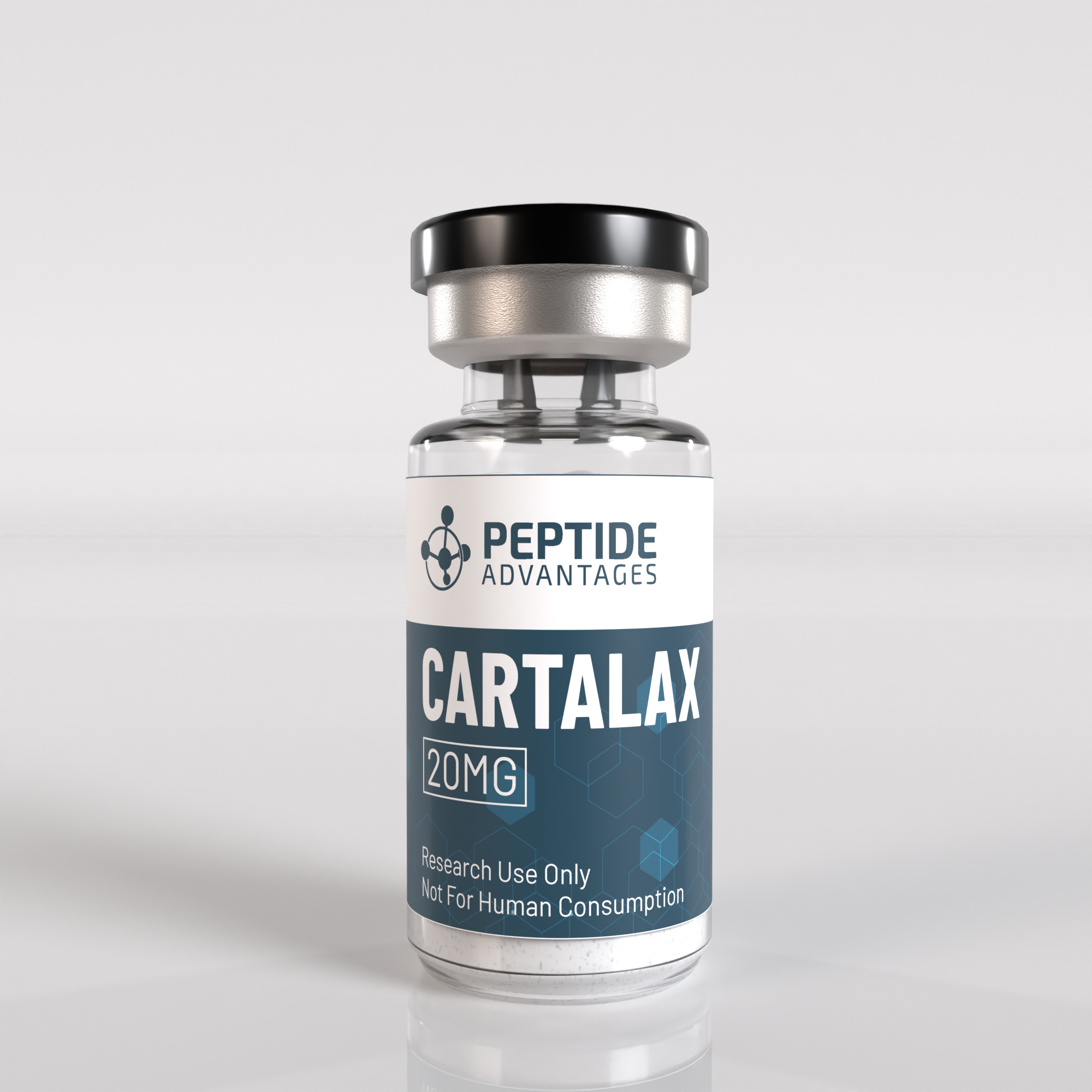
Cartalax 20mg
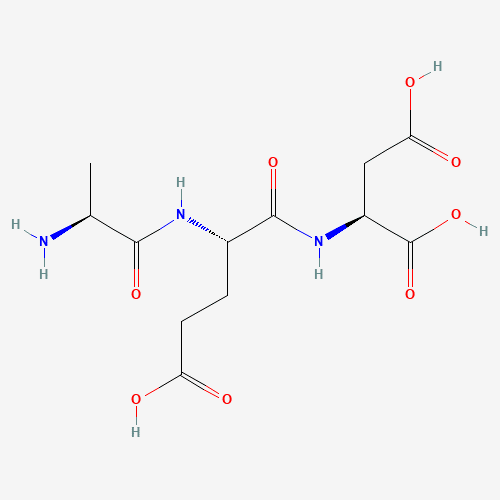
Cartalax Structure
Amino Acid Sequence: Ala-Glu-Asp (AED)
Molecular Formula: C12H19N3O8
Molecular Weight: 333.29 g/mol
PubChem CID: 87815447
Synonyms: T-31, AED, SCHEMBL5324601, Alanyl-glutamyl-aspartic acid
Research Background
Cartalax has been investigated in research literature across several scientific contexts:
- Short-chain regulatory peptide research — investigations into tetrapeptide structure-activity relationships and cellular regulatory mechanisms
- Cellular gene expression research — studies examining short-chain peptide effects on gene expression patterns in chondrocyte cell lines and other cellular research models
- Connective tissue cellular biology — research literature examining cellular biology in connective tissue research contexts
- Comparative bioregulator peptide research — comparative cellular research positioning Cartalax alongside other Khavinson-group short-chain regulatory peptides (including Epithalon, Prostamax, and Cardiogen) in cellular research contexts
- Cellular regulatory peptide research — analytical studies on tetrapeptide biology and cellular signaling
- Peptide chemistry research — analytical chemistry studies on short-chain peptide stability and biological activity
Cartalax was developed through cellular biology research by the Khavinson research group at the St. Petersburg Institute of Bioregulation and Gerontology, sharing developmental lineage with related short-chain bioregulator peptides studied at the same research institution. Foundational research is available through PubMed (pubmed.ncbi.nlm.nih.gov) and the National Institutes of Health’s PMC database (pmc.ncbi.nlm.nih.gov), where researchers can access peer-reviewed studies on short-chain regulatory peptide research.
Storage
Storage Instructions:
Store the lyophilized reference standard at minus 20 degrees Celsius, protected from light and moisture. Once placed in solution with a laboratory solvent, hold the solution at 2 to 8 degrees Celsius and use it within 30 days. Solvent selection and handling are the responsibility of the receiving laboratory.